





.png)
25 Broadway 10th Floor
New York, NY 10004
In brief
- Optoma outfitted NCCU College of Law's new building with a full line of AV products for classrooms, lecture halls, and collaboration spaces, raising the bar for digital-first campuses.
- Verdantix reports that tenant apps are reshaping offices, campuses, and retail by streamlining access, boosting engagement, and giving operators real-time operational visibility.
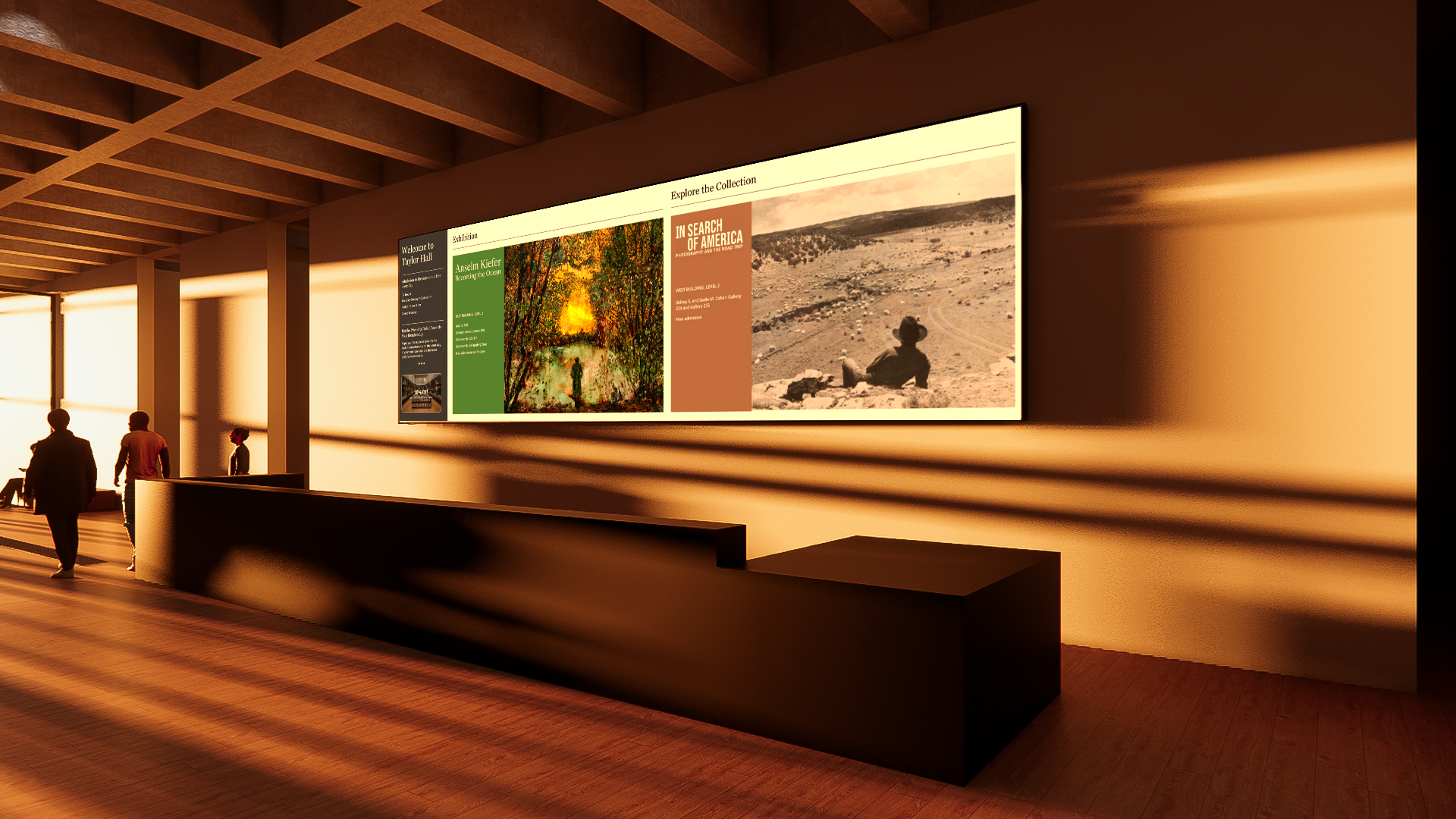
- Digital wayfinding on campus uses dynamic signage and mobile integrations to simplify navigation for students and visitors across complex university environments.
- APPA explains how smart infrastructure — from safety systems to data-driven planning — is elevating the student experience and redefining expectations for campus learning environments.
From classroom tech to tenant apps, this week’s stories highlight how campuses and mixed-use spaces are going digital-first—integrating signage, apps, and infrastructure to make environments more connected, adaptive, and human-centered. These spaces aren’t just places to learn or work—they’re becoming ecosystems that shape daily experience.
In Case You Missed It…
Here are a few stories we found especially compelling this week:
- Optoma equips NCCU College of Law with smart AV: Optoma’s full product line powers classrooms, lecture halls, and collaboration spaces in a new law school building—setting a benchmark for digital-first campuses.
Read more →
- Tenant apps redefine how spaces operate: Verdantix explores how apps are reshaping offices, campuses, and retail—streamlining access, boosting engagement, and giving operators real-time visibility.
Read more →
- Digital wayfinding on campus: New systems are using dynamic signage and mobile integrations to help students and visitors navigate complex university environments with ease.
Read more →
- How a smart campus elevates student experience: APPA outlines how smart infrastructure—from safety systems to data-driven planning—is reshaping campus life and raising expectations for learning environments.
Read more →
What We’re Noticing
Campuses are becoming case studies in connected design. From AV systems to apps and signage, the digital layer is now central to how students, staff, and tenants experience a space. The lesson? “Smart” isn’t a feature—it’s the foundation of modern environments.
Till next time,
Team Noble
Frequently asked questions
What are the key components of a digital-first campus?
A digital-first campus integrates smart AV systems, tenant apps, dynamic wayfinding signage, and safety infrastructure — all connected to create an adaptive, human-centered environment.
How does digital wayfinding improve campus navigation?
Digital wayfinding uses dynamic signage and mobile app integrations to provide real-time, personalized directions, helping students and visitors navigate complex university layouts more easily.
What benefits do tenant apps offer in mixed-use spaces?
Tenant apps streamline access control, boost user engagement, and give operators real-time visibility into space usage, making offices, campuses, and retail environments more efficient and responsive.
How does smart infrastructure enhance the student experience?
Smart infrastructure — including safety systems and data-driven planning — helps campuses operate more efficiently and responsively, raising student expectations for their learning environments.
Related reading
- What’s Next with Noble: Campus and Mixed Use Spaces
- Connected Campuses: This Week in Smart Environments
- 5 Digital Considerations for Cultural Institutions
What is Smart Building Services?
Smart building services are the design, integration, and operation of connected systems that make campuses and mixed-use spaces intelligent—from spatial data to tenant-facing apps. They keep human experience, not just efficiency, at the center.
Learn more about Digital Building & Spatial Technology.