



.png)

25 Broadway 10th Floor
New York, NY 10004
In brief
- Noble calls out two airport experience failures: the retail gauntlet after security and the JFK AirTrain's confusing, neglected transit puzzle.
- The article introduces xSCORE, a tool that measures passenger experience across wayfinding, signage, and digital infrastructure, benchmarked against industry standards.
- Biometrics and integrated data layers are enabling single-token journeys and real-time operational adjustments, but legacy systems slow adoption in aviation.
- O'Hare's new Concourse D and Barcelona Airport's post-security layout are cited as positive examples of passenger-first design that balances retail and orientation.
THE LEAD
Two major aviation events are happening this month.
Passenger Terminal Expo lands in London March 17–19 — where airport operators, designers, and technology leaders gather to show what's next. Then ACI-NA's Airports@Work heads to Chicago March 24–26, focused on the operational side: safety, security, infrastructure, and technology putting it all together. We will be reporting back on trends and findings.
NOBLE NO NO
Okay, let’s talk about all these passenger experience conferences. When you listen to the keynotes or walk the booths you have to ask: how are they really supporting passengers? Despite an industry award, there are very few airports where it genuinely feels like passengers come first.
So here are the Noble No-No’s of the Month. Airport Edition. Our own award of sorts but more like a scolding you might give a bold child.
#1 Shopping Gauntlet
Don’t say you’re a passenger experience first organization if you’re not. We get it, airports are also giant shopping malls and retail drives revenue. But a no-no, and the tactic that instantly drops points off any CX score, is forcing passengers to run through a confusing shopping mall maze right after security. Imagine this scenario, you've just cleared screening and you’re trying to get your bearings and find your gate, yet suddenly you are navigating perfume and whiskey counters. That’s not passenger first. That’s retail first. And that’s fine, just own it and don’t put passengers first in the mission statement or on posters we are forced to stare at while waiting in a long queue. I hate to do it the week of St. Patrick’s Day but Dublin Airport.

On the other hand, flying out of Barcelona: A+. Great signage, a moment to breathe after security, clear meeting points, and then plenty of shopping and food options once you’re oriented. Airports can do both. But as the industry keeps planning the next mega airport, it’s time to move away from the exit through the gift shop mentality.
.gif)
#2 AirTrain Madness
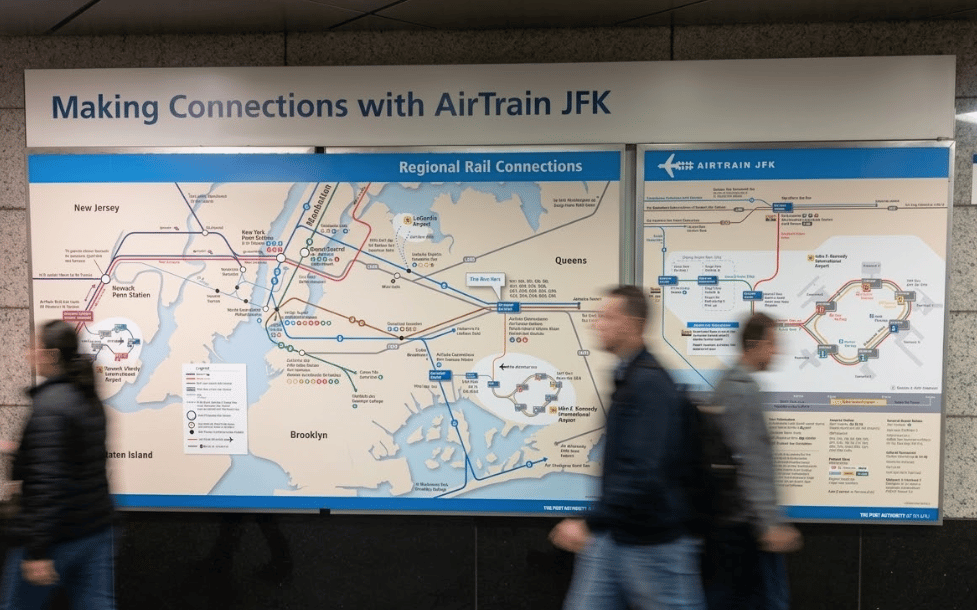
Okay, the second No-No might require an entire book: the JFK AirTrain experience. There is some hope as there is approved funds for capital improvements at the Jamaica LIRR–AirTrain terminal in Queens. Did you know, Jamaica is one of the top busiest stations in the country?
From a passenger perspective, though, it’s a disaster. Everything about it is brutal. The first thing you encounter at Jamaica, the confusing ticketing situation, decades of neglect, bad concessions, unclear ticketing, homelessness, angry long islanders transferring (laugh if you're still reading) and about four different transit agencies actively pretending it’s someone else’s problem.
The other AirTrain endpoint, Howard Beach, isn’t much better. With Uber pickups restricted, you’re effectively dropped in the middle of nowhere. So imagine you’re an international traveler. You’ve just survived a long flight, immigration, baggage, and security delays. Now you get another 30 minute trek and tram ride just to reach a parking lot from a scene in Goodfellas.
Sometimes it feels intentionally designed as a video game training level for New York. Welcome to the game. Survive the transit puzzle and you’ve earned the right to enter. Hopefully the new infrastructure project looks at it through the passenger lens. Less design by comity and more “Undercover Boss” actually riding and feeling the pain. Because the current experience is not the kind of first impression that inspires many return visits.
HOW WE’RE APPLYING THIS: Noble xSCORE
Noble works across transit, subway, aviation, sports venues, and cultural institutions. These environments share a common truth: passenger and user experience is directly tied to revenue and the quality centralized data is essential.
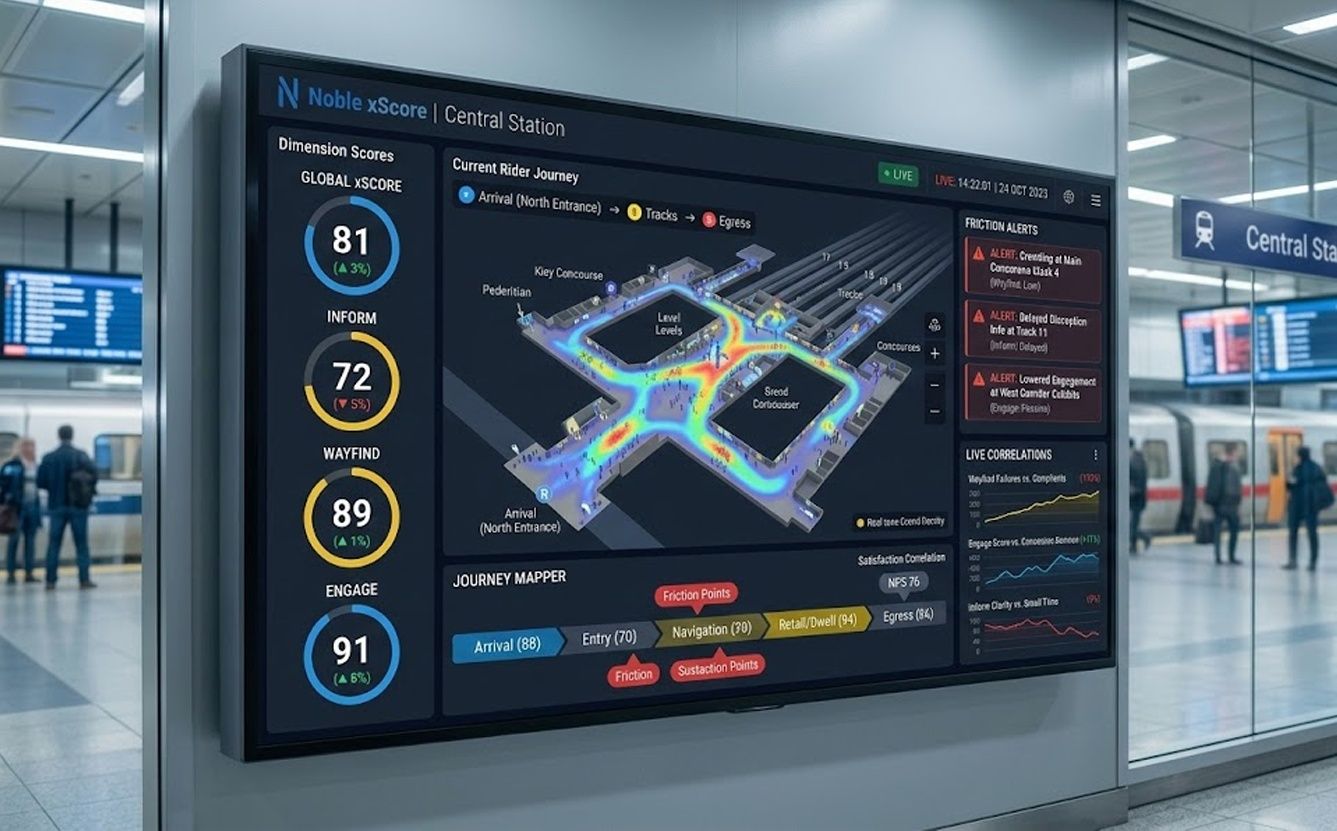
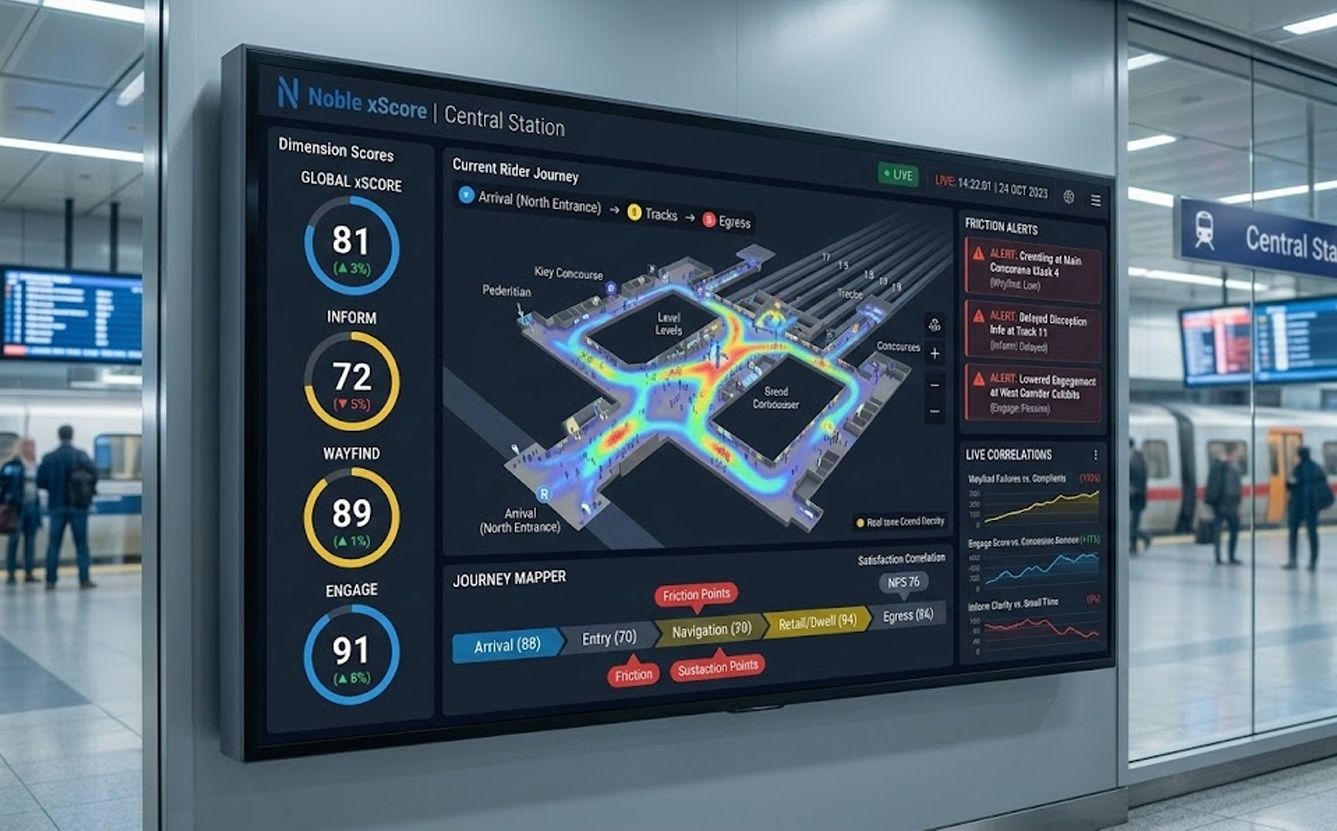
xSCORE, or Experience Score, is our tool to measure passenger experiences and make sconnection to digital building infrastructure. Built on Skytracs and ASQ measurement standards not to mention some other frameworks, this allows us to measure success and plan new solutions.
A single Experience Score synthesizes performance across your communications environment, environmental information density, wayfinding effectiveness, and satisfaction outcome data into one actionable metric — benchmarked against Noble's cross-sector dataset and updated continuously as conditions change.
It is the score that tells you not just where you stand, but exactly what moving it is worth.
Click here for more Noble Projects
THREE STORIES WORTH YOUR TIME
SOM's new Concourse D (designed with Ross Barney Architects, JGMA, and Arup) is the first new building in O'Hare's ORDNext program, a decade-long reimagining of the airport with way more sunlight and greener than your typical Chicago winter day. Includes 19 flexible gates and environments designed for rest, dining, and play.
Our take: Biofilia design and digital experience being integrated. Lets see how tree and screens come together
Airports are surrounded by AI conversation but still in early days of real deployment. Legacy systems, procurement cycles, and a zero-tolerance operating model make experimentation costly.
Our take: Sound familiar? Every sector we work in faces the same tension between innovation ambition and operational reality.
Biometrics and digital identity are forming the foundation for enhanced customer experiences and improved security across airports and borders.
Our take: The infrastructure for invisible, frictionless experience is being built right now, airport by airport. The question is who's building it intentionally.
WHAT WE’RE NOTICING
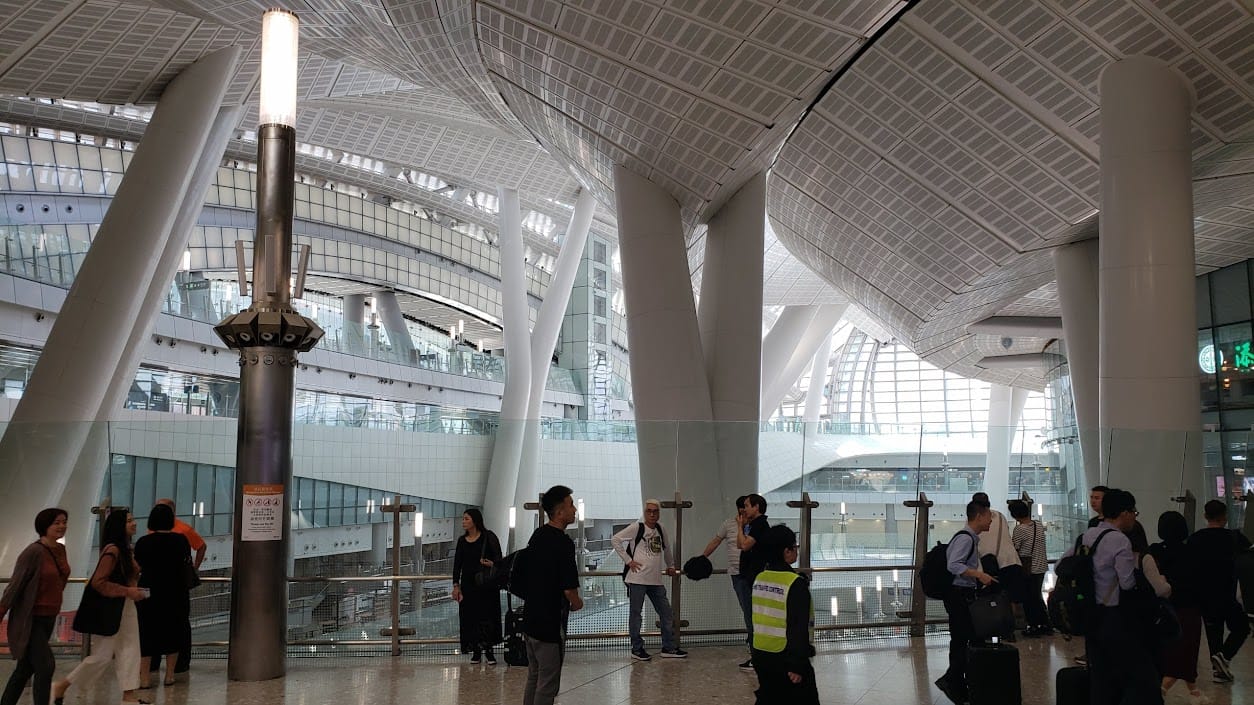
Can an airport become an operating system? The authorities investing seriously right now are building integrated environments where biometrics, wayfinding, retail, and operations share a data layer and respond in real time.
What does that look like in practice? Single-token journeys where facial or iris templates are linked to the travel document and boarding pass, enabling passengers to move through check-in, bag-drop, security, lounge, and boarding without repeatedly presenting documents. (Copenhagen optimization) Robots guiding passengers with disabilities to their gates. Digital twins that let airports like Amsterdam Schiphol test layout changes and predict bottlenecks before implementing any physical change.
The harder problem is integration; making disparate systems talk to each other across an environment that cannot afford failure. AI has progressed with Agentic Services and MCPs being the new sales jargon , but aviation's actual use technology remains comparatively limited, partly explained by the sector's reliance on legacy systems and its inherently cautious operating model.
Aviation sits at the intersection of everything we think about: passenger experience, operational complexity, wayfinding, data integration, physical space performing at scale. The lessons airports are learning apply directly to every sector we work in.
Thanks for reading. If this sparked ideas, questions, or critiques, we’d love to hear from you. At Noble, we’re committed to helping organizations navigate this shift; from innovation sprints to full-scale implementations, we help translate big ideas into practical solutions.
Till next time,
Paul
Founder, Noble
Frequently asked questions
What is the biggest mistake airports make with passenger experience after security?
Forcing passengers through a confusing shopping maze immediately after security, prioritizing retail over orientation. Barcelona Airport is a counterexample, offering clear signage and breathing room before retail.
Why is the JFK AirTrain experience considered a failure?
The Jamaica and Howard Beach terminals suffer from confusing ticketing, poor concessions, neglect, and coordination failures between multiple transit agencies, creating a brutal 30-minute trek for international travelers.
What is Noble's xSCORE and how does it work?
xSCORE is a tool that synthesizes performance across communications, wayfinding, and satisfaction data into a single metric, benchmarked against Noble's cross-sector dataset, to measure and improve passenger experience.
How are airports using biometrics to improve the passenger journey?
Biometrics enable single-token journeys where facial or iris templates replace repeated document checks, allowing seamless movement through check-in, security, lounge, and boarding.
What is the main barrier to AI adoption in airports?
Legacy systems, long procurement cycles, and a zero-tolerance operating model make experimentation costly and slow, despite the potential for AI to optimize operations and passenger flow.
Related reading
- Adaptive Journeys: This Week in Passenger Experience
- What’s Next with Noble: Transportation and Passenger Experience
- Signals in AI: This Week in Smart Experiences
What is Airport Wayfinding Signage?
Airport wayfinding signage is the coordinated system of directional signs, displays, and digital cues that guide passengers from curb to gate. Effective airport wayfinding reduces missed connections, anxiety, and congestion by making every decision point clear.
Learn more about the sectors Noble serves.