


.png)

25 Broadway 10th Floor
New York, NY 10004
The Lead
The visit begins on the sidewalk
For a decade, visitors to the British Museum passed through temporary white security tents to reach one of the most visited buildings in the world. After some controversy over adapting a 19th-century building, it won permission this spring to replace those tents with new pavilions, wayfinding infrastructure, and green space across its forecourt. Museum director Nicholas Cullinan described the redesign as a shift away from crowd control, with new curatorial spaces meant to become "a vital piece of public green space in Camden," intended for visitors, school groups, and the surrounding community. It's part of a longer-term masterplan to make these greenspaces more welcoming.
This month’s numbers alone justify that investment. On loan from France, the Bayeux Tapestry opened to the public, and London has been swept up in what the local press is calling Bayeux mania. 80,000 people queued for online tickets on the day they went live, and the museum is projecting a record 7.5 million visitors this year. Every ticket through December sold out within days. The museum predicts its biggest year in its history, projecting 7.5 million total visitors, well above its previous record of 6.8 million.
The British Museum has room to rethink its threshold. Across the Atlantic (and on Noble’s home turf in NYC) the Metropolitan Museum of Art is finding creative approaches to similar challenges. The Met sits within Central Park, so expanding the physical building is not an option and every 21st-century improvement happens inside the footprint it has held since 1880. As the museum's director, Max Hollein put it in a recent interview: "The Met is not expanding. What we are doing is rethinking, reimagining, and reinstalling." A former staff entrance is becoming the new public doorway. The gift shop beside the Great Hall is becoming a gallery.
And not all changes have to be architectural work. This year the museum also wrapped a six-month residency with Google Arts and Culture, building generative AI prototypes and testing them live in the galleries. One of the Met's technologists described the goal as addressing "the entire visitor journey, from initial navigation to post-visit engagement." Together, the physical changes and the digital experiments are aimed at the same goal - a visit that keeps visitors engaged from the moment they walk in until the moment they leave.
There is an obvious difference in scale. Research from AAM shows more than half of US museums are still below pre-pandemic attendance, and directors point to travel, tourism, and economic pressure as ongoing headwinds. Most museums do not have a $1.5 billion capital budget or a once-in-a-millennum loan to work with. What the British Museum and the Met are proving at enormous scale is a principle that holds at any size: arrival, orientation, and welcome deserve genuine design attention, whatever the budget looks like.
For Noble’s radar that’s the throughline. The museum experience doesn’t start at the gallery door, and it does not divide itself neatly into physical, digital, and operational projects. It starts from the sidewalk and unfolds all the way through the visit. Designing for that whole arc, not one piece of it, is the opportunity in front of every institution right now.
Noble Project Highlight
Four Stops Become One
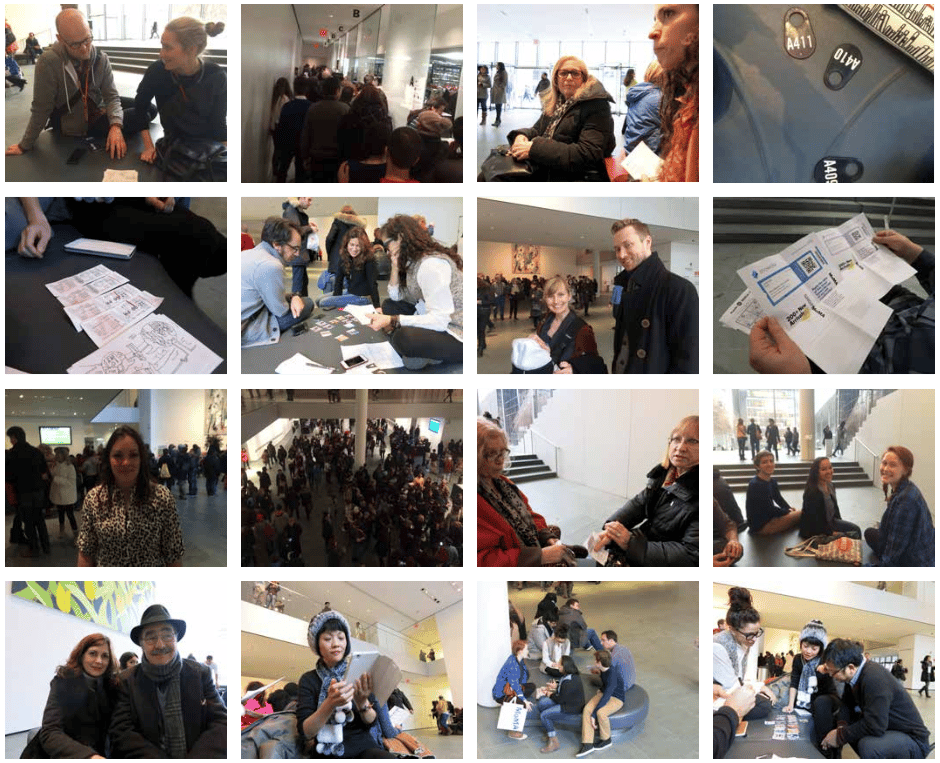
MoMA’s visitor-journey redesign connected ticketing, orientation, membership, and validation into one system, reducing lobby confusion without adding square footage.
Signage Built to Amplify the Architecture
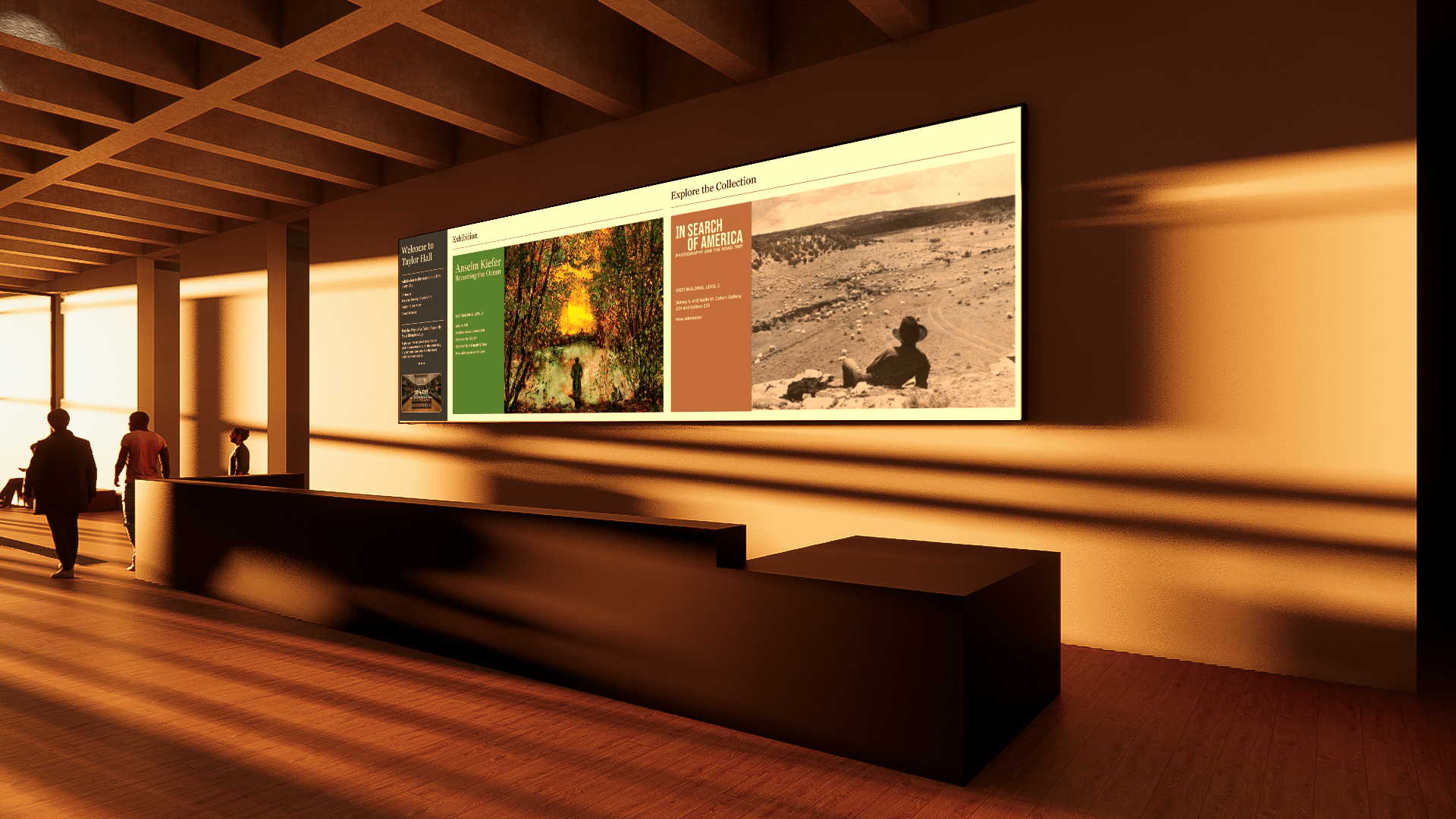
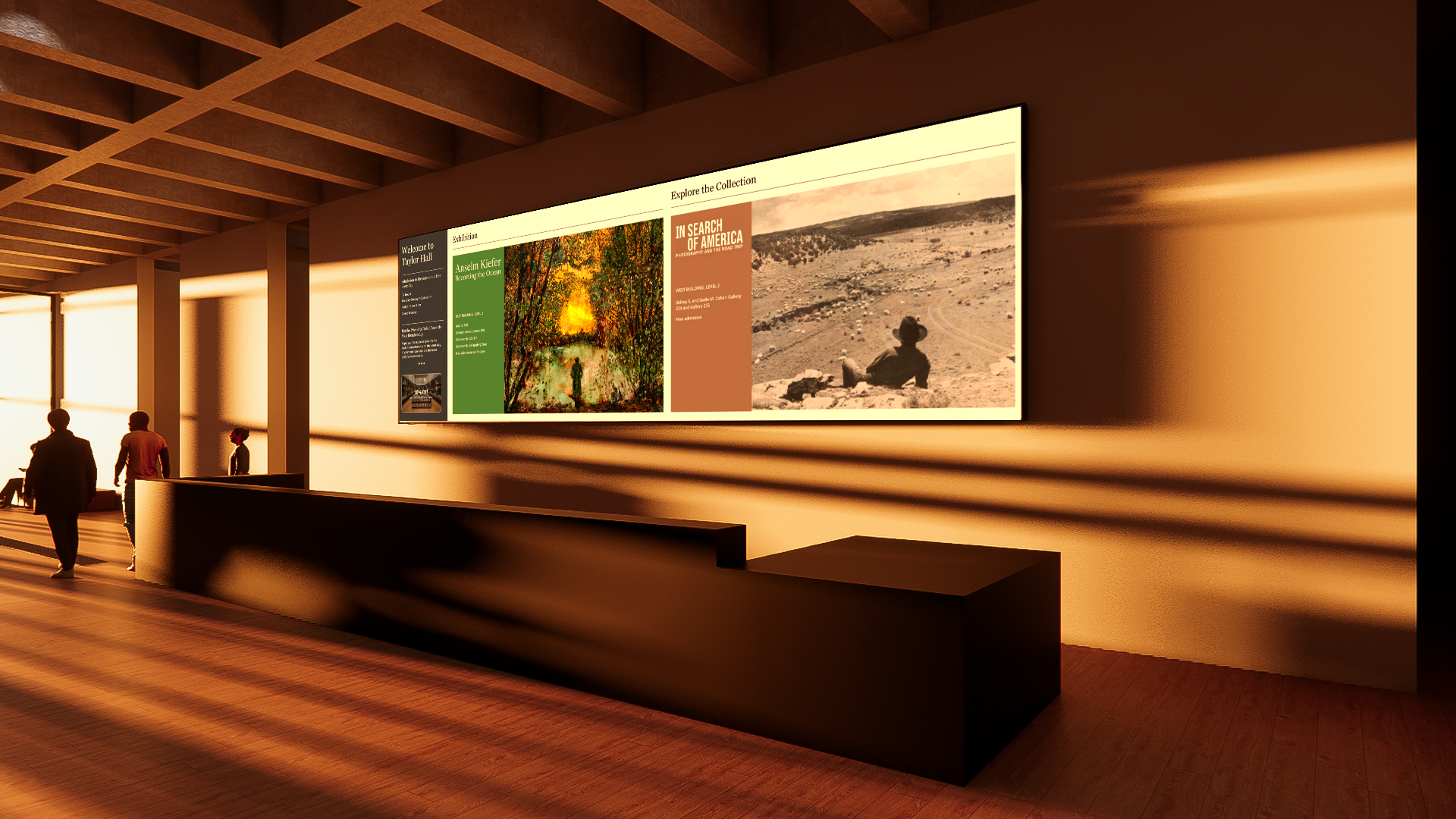
At the Saint Louis Art Museum, we built a digital signage system connecting real-time events, ticketing, and indoor mapping while complementing Chipperfield’s architecture.
Signals From The Industry
CULTURE · GLOBAL
A working framework for museums making AI decisions
AAM's Center for the Future of Museums laid out a framework for how museums should approach AI, covering sourcing, environmental cost, staff impact, and public trust, arguing these decisions should be grounded in values before practical pressure forces a choice.
CULTURE · DOHA, QATAR
One AI system, connecting a whole country's worth of culture
Qatar Museums built the world's first national AI-powered cultural tour, a web-based platform (no app download required) that links museums, public art, and heritage sites into one personalized route based on a visitor's interests, time, and language. The team kept a firm line between what the AI generates and what it doesn't: the AI builds the itinerary, but the content about each artwork is still the museum's own verified material.
CULTURE · LEICESTER, UK
Taking the museum out into the community
Leicester's Museums Service used its own offsite engagement data, up 28% since 2018/19, to build the case for a hub and spoke model, bringing programming into libraries, neighborhood centers, and festivals.
LIBRARIES · WASHINGTON, DC
Turning kids into researchers with primary sources
The Library of Congress opened The Source, a gallery where kids ages 8 to 15 use RFID-enabled stations to examine primary sources directly, manuscripts, film, and sound from the Library's own collection.
Where We’re Going
AVIATION
ACI-NA Annual Conference & Exhibition
Philadelphia · Sept 14–17, 2026
The money-and-policy room for North American airports.
BUILT ENVIRONMENT
AIA at Climate Week NYC
New York City · Sept 20–27, 2026
Where architecture meets climate action and the future of the built environment.
CULTURE / MUSEUM
Southeastern Museum Conference (SEMC)
Winston-Salem, NC · Sept 28–30, 2026
The Southeast’s gathering place for museum people, ideas, and practice.
Events To Watch
Regional museums conferences
- Western Museums Association, SEPT 23-26, Salt Lake City, UT https://westmuse.org/annual-meeting
- MAAM, OCT 6-8, New Brunswick, NJ https://midatlanticmuseums.org/annual-meeting/
Other events
- ASTC, SEPT 16-19, Phoenix, AZ https://www.astc.org/astc-2026/
- MuseumNext Digital Collections Summit, SEPT 21-22, Virtual https://www.museumnext.com/events/digital-collections-summit/
- MuseumNext Creative Museums Summit, OCT 21-22, Virtual https://www.museumnext.com/events/creative-museum-summit/
- MCN, OCT 21-23, Seattle, WA https://mcn.edu/annual-conference/mcn-2026/
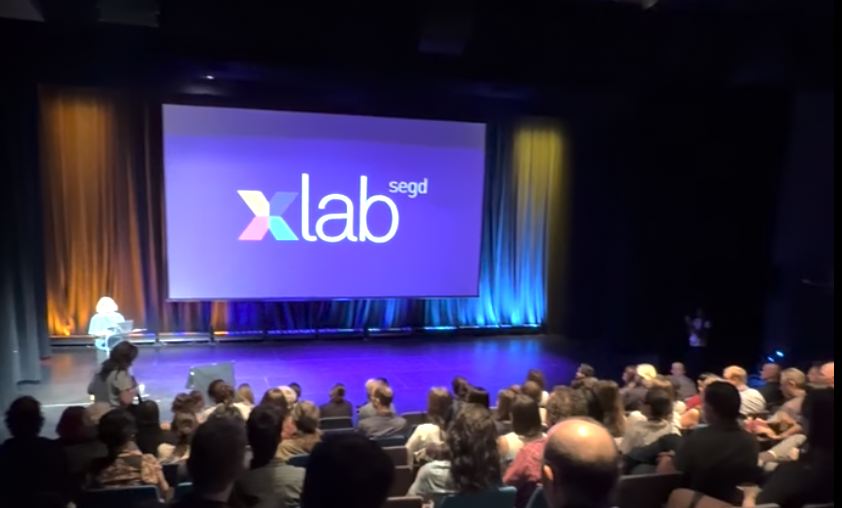
- SEGD Conference Experience, OCT 22-24, Kansas City, MO https://segd.org/events/2026-segd-conference-experience-kansas-city/
Thanks for reading. What are you measuring that might be quietly shaping the experience you're building? Shoot us a reply, we'd genuinely like to know.
Until next time,
The Noble Team