



.png)
25 Broadway 10th Floor
New York, NY 10004
In brief
- Cultural spaces are moving beyond static displays toward participatory, real-time experiences that blend technology, history, and sensory design.
- Mixed reality trials in theme parks and immersive museums like Ephesus Experience Museum show how digital overlays can deepen visitor agency and connection to heritage.
- Helsinki's Oodi library redefines the civic role of libraries by integrating maker spaces, media rooms, and digital resources alongside traditional book lending.
- The Getty's work on preserving multi-sensory art experiences highlights the importance of tactile, olfactory, and auditory dimensions in cultural conservation.
From mixed reality theme park trials to libraries reimagined as civic innovation hubs, this week’s stories show how cultural spaces are expanding their role—blending tech, history, and sensory design to create deeper, more participatory experiences. They’re reframing how we connect with heritage, engage with entertainment, and access knowledge in the digital age.
In Case You Missed It…
Here are a few stories we found especially compelling this week:
- Pioneering mixed reality in theme parks: Early trials show how MR tech can merge physical rides with digital overlays—giving visitors more agency in their experience and opening new creative canvases for park designers.
Read more →
- Ephesus Experience Museum blends history and innovation: This Turkish destination uses immersive displays and interactive media to transport visitors through ancient history while preserving authenticity.
Read more →
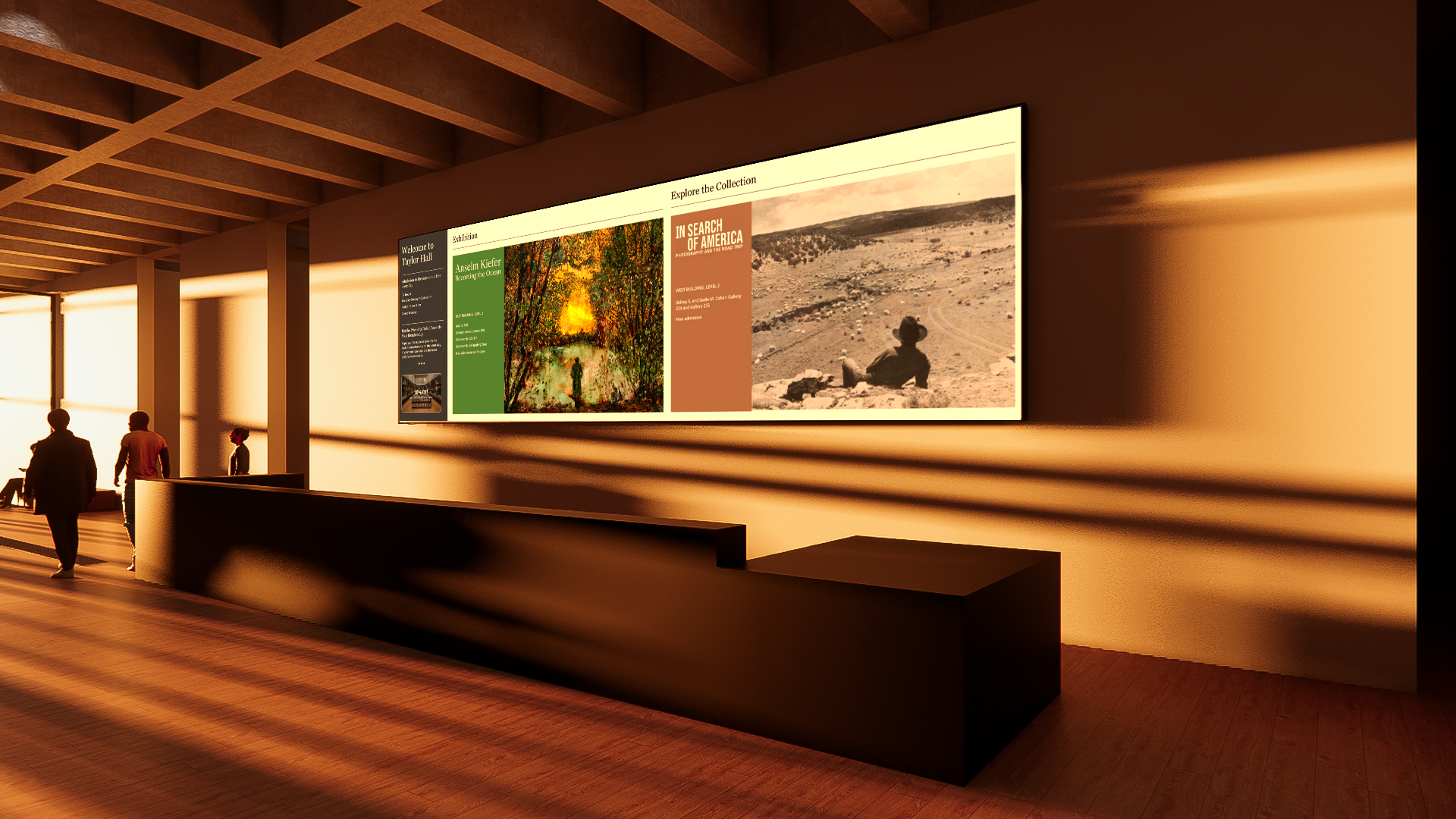
- Deploying digital signage for venues: Insights on integrating dynamic displays in event and entertainment spaces—covering content strategy, placement, and audience engagement without overwhelming the visitor.
Read more →
- Conserving art’s sensory experiences: The Getty explores how to preserve tactile, olfactory, and auditory dimensions of artworks—ensuring multi-sensory connections endure alongside visual elements.
Read more →
- Oodi: Where pages meet progress: Helsinki’s flagship library is more than a book lender—it’s a civic hub with maker spaces, media rooms, and digital resources, setting a precedent for 21st-century library design.
Read more →
What We’re Noticing
Cultural spaces are getting bolder—and more interactive.
The latest headlines show museums, libraries, and event venues moving beyond static displays into experiences that respond to visitors in real time. Whether it’s mixed reality rides, AI-powered historical reconstructions, or signage systems that adapt on the fly, design is becoming participatory. These spaces are no longer just backdrops for culture—they’re platforms where storytelling, technology, and audience agency converge.
Noble | Space Teardown Series
In case you missed it, we recently released a new installment of our Space Teardown series — this time taking a field trip to Moynihan Train Hall.
This walkthrough looks at how digital wayfinding, spatial strategy, and on-the-ground usability come together in one of New York’s busiest transit hubs. From strategic screen placement and interactive amenity menus to areas where the navigation experience could be even smoother, we break down what’s working and where design can push further.
Stay Tuned.
We’re releasing our next What’s Next with Noble newsletter next week—diving into how digital UX is transforming cultural spaces, from museums to parks to cultural districts.
Till next time,
Team Noble
Frequently asked questions
How are museums using mixed reality to enhance visitor experiences?
Museums like the Ephesus Experience Museum in Turkey use immersive displays and interactive media to transport visitors through ancient history while preserving authenticity. Mixed reality trials in theme parks also merge physical rides with digital overlays, giving visitors more agency in their experience.
What is the role of digital signage in cultural venues?
Digital signage in venues like stadiums and museums is deployed with careful content strategy, placement, and audience engagement in mind—designed to inform and guide without overwhelming the visitor. Insights from the article emphasize balancing dynamic displays with user experience.
How are libraries evolving in the digital age?
Libraries like Helsinki's Oodi are becoming civic innovation hubs, offering maker spaces, media rooms, and digital resources far beyond book lending. This model sets a precedent for 21st-century library design as participatory community platforms.
Why is sensory experience important in art conservation?
The Getty is exploring how to preserve tactile, olfactory, and auditory dimensions of artworks alongside visual elements. This ensures that multi-sensory connections endure, allowing deeper engagement with cultural heritage.
Related reading
- Living Landmarks: This Week in Cultural Experience
- 5 Digital Considerations for Cultural Institutions
- What’s Next with Noble: Cultural Spaces & Digital Engagement
What is Museum Exhibit Design?
Museum exhibit design is the craft of organizing artifacts, narrative, and interactive media into a coherent visitor journey. Modern museum exhibit design blends physical objects with mixed reality, digital signage, and sensory cues to turn observers into participants.
Learn more about the sectors Noble serves.