





.png)
25 Broadway 10th Floor
New York, NY 10004
In brief
- AI is increasingly becoming the front-facing interface in physical spaces like stadiums, airports, and museums, not just a backend optimization tool.
- Trust, privacy, and cultural nuance are rising concerns as AI mediates more human touchpoints in the built environment.
- For venues and operators, the opportunity is to use AI to extend experiences—before, during, and after an event—while keeping people at the center.
- Designers and technologists face a persistent tension: leveraging AI’s power without diluting human craft or oversimplifying cultural heritage.
AI feels like it’s everywhere right now, design studios, stadiums, airports, even archaeological digs. It’s not quite taking over the world (yet), but it is reshaping how people move, watch, and interact with spaces.
And as headlines remind us, the stakes aren’t just innovation; they’re also trust, governance, and security. Which makes now the moment to ask: how do we channel this momentum toward better, more human-centered experiences?
In Case You Missed It…
Here are a few stories we found especially compelling this week:
- Biennale Architettura puts AI center stage
The Venice showcase highlights how architects and technologists are experimenting with AI as a design partner, not just a back-office tool. A bold step, though the open question is whether creative industries can harness AI without diluting human craft.
Read more →
- IBM Study: Sports fans want more AI-driven content
Over half of fans now expect real-time highlights, predictive stats, and dynamic storytelling across platforms. This confirms what we’ve seen in sports venues: personalization is moving from “nice to have” to baseline expectation.
Read more →
- CIFTIS debuts AI guides + technological archaeology
China’s trade fair introduced AI-powered museum guides and tools that reconstruct heritage sites digitally. Fascinating as tech, though it raises a key tension: can AI mediate culture without oversimplifying it?
Read more →
- AI in aviation
Airlines are deploying AI for staff scheduling, predictive maintenance, and passenger comms; aiming for smoother journeys end to end. The opportunity is huge, but execution matters: travelers notice quickly when automation creates friction instead of reducing it.
Read more →
- The Golden Ticket for sports investment
AI-enhanced experiences are fueling new hybrid revenue models, mixing live, digital, and branded moments. For investors and operators, this underscores a bigger shift: value now comes from experiences that extend beyond the event itself.
Read more →
What We’re Noticing
AI is moving from the backend to the frontline.
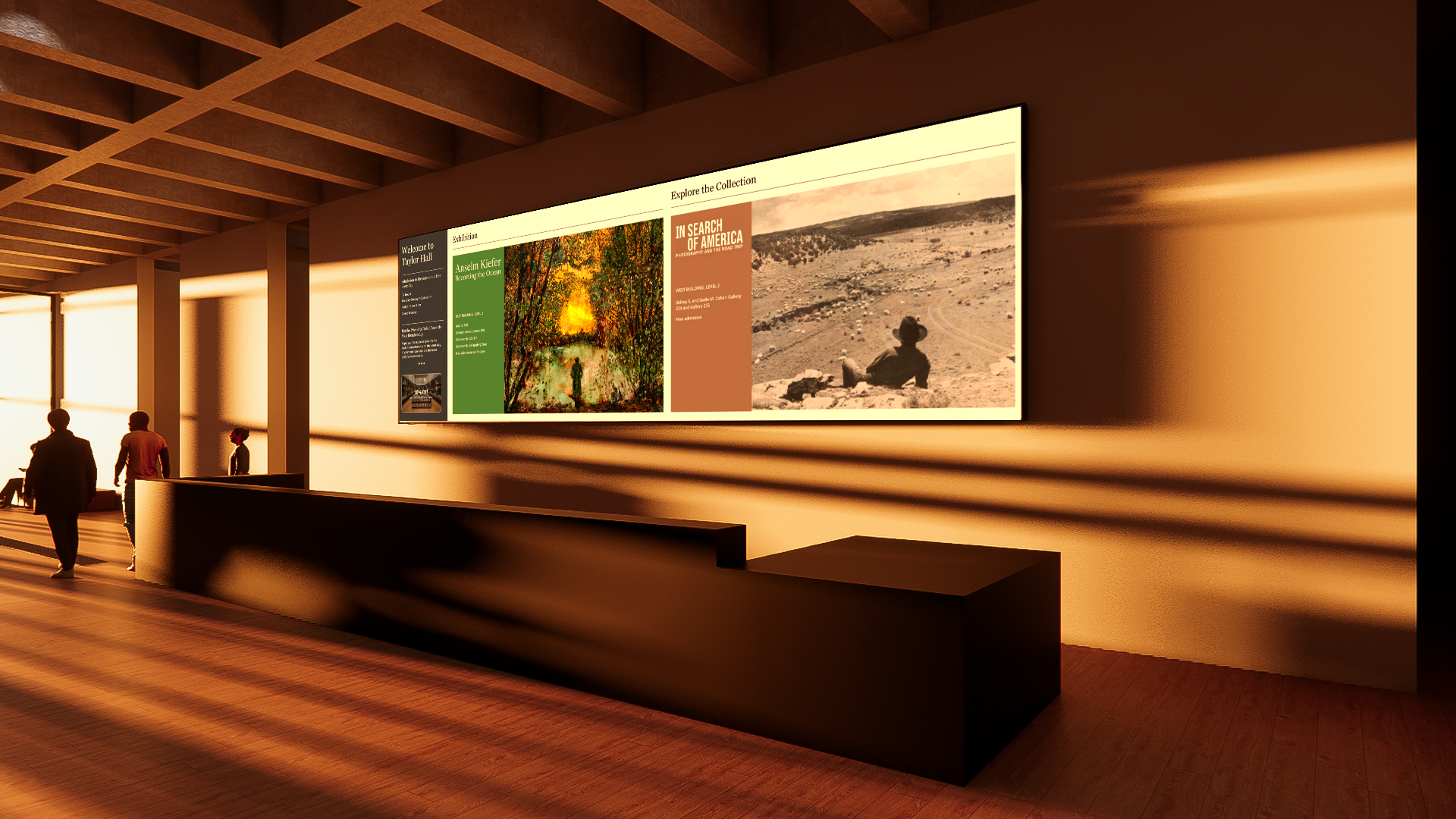
This week’s headlines—from stadiums to airports to design studios—show how artificial intelligence is no longer just a tool for efficiency. It’s becoming the interface between people and their environments. Whether through predictive analytics, immersive guides, or real-time personalization, AI is shaping how we move, watch, and interact in physical spaces.
But there’s also a flip side: as AI mediates more touchpoints, the stakes around trust, privacy, and cultural nuance are rising. The opportunity lies in channeling this momentum toward experiences that feel more human, not less.
Till next time,
Team Noble
Frequently asked questions
How is AI changing the fan experience in sports stadiums?
According to an IBM study cited in the article, over half of sports fans now expect real-time highlights, predictive stats, and dynamic storytelling. Personalization has shifted from a nice-to-have to a baseline expectation in venue design.
What are the risks of using AI in cultural and heritage spaces?
AI-powered museum guides and digital reconstructions can make heritage more accessible, but there is a real risk of oversimplifying cultural narratives. The article flags this tension between mediation and authenticity.
How is AI being deployed in aviation to improve the passenger journey?
Airlines are using AI for staff scheduling, predictive maintenance, and passenger communications with the goal of smoother end-to-end travel. The article notes that execution matters—travelers quickly notice when automation creates friction instead of reducing it.
What does the Venice Architecture Biennale reveal about AI's role in design?
The Biennale showcased AI as a design partner, not just an office tool. The open question remains whether creative industries can harness AI without losing human craft.
Related reading
- What's Next with Noble: AI in Spaces Around Us
- Adaptive Journeys: This Week in Passenger Experience
- What’s Next with Noble – Sports, Stadiums & Fan Experience Edition
What is Digital Experience Solutions?
Digital experience solutions bring software, AI, and interaction design into physical spaces so venues can engage people before, during, and after a visit. The goal is to extend the experience while keeping trust and human craft at the center.
Learn more about Digital Service, Media & AI Innovation.